
Miscarriage
When I imagine what happens at the time of conception of a baby I am in awe at what a miracle of nature we are experiencing. And yet nature doesn't always work. When nature's plan fails, when development is interrupted and we experience the loss of our baby the term miscarriage can feel overwhelmingly inadequate.
People without personal experience of miscarriage may have difficulty understanding that it can be experienced as a great loss, especially if it happens at a very early stage. But as we know, bonding with a child happens long before their existence is detectable to the outside world.
The Chinese say that a child is a year old at birth.
Most of the time the reaction to our loss is more intense than is generally recognised, and even more intense than we allow ourselves to acknowledge. Grief can get repressed, our society doesn't make it easy to express our grief in a healthy way.
But, there is an amazing community of baby loss parents out there, who understand and are sharing their journey through grief towards healing.
Please do not feel alone.
♥
“There is no foot so small that it cannot leave an imprint on this world”
♥
“Some say you are too painful to remember, I say you are too precious to forget!”
♥
“They gave so much to be so little, but Angels always do.”
♥
“Each new life, no matter how brief, forever changes the world.”
♥
“I held you every second of your life.” – Stephanie Paige Cole
♥
“No one can know how much I love you, because you are the only one who knows what my heart sounds like from the inside.”
♥
“If every tear we shed for you became a star above, you’d stroll in Angel’s garden, lit by everlasting love.”
♥
“If love could have saved you, you would have lived forever.”
♥
“A person’s a person, no matter how small.” – Dr. Seuss
♥
“It has been said time heals all wounds, I do not agree. The wounds remain. In time, the mind protecting it’s sanity covers them with scar tissue and the pain lessens, but it’s never gone.” – Rose Kennedy
♥
“Breathe. Listen for my footfall in your heart. I am not gone but merely walk within you.” – Nicholas Evans
♥
“If I had lost a leg, I would tell them, instead of a boy, no one would ever ask me if I was ‘over it’. They would ask me how I was doing learning to walk without my leg. I was learning to walk and to breathe and to live without Wade. And what I was learning is that it was never going to be the life I had before.” – Elizabeth Edwards
♥
“It’s a happy life, but someone is missing. It’s a happy life, and someone is missing.” – Elizabeth McCracken
♥
"A tiny flower, lent not given, to bud on earth, and bloom in heaven"
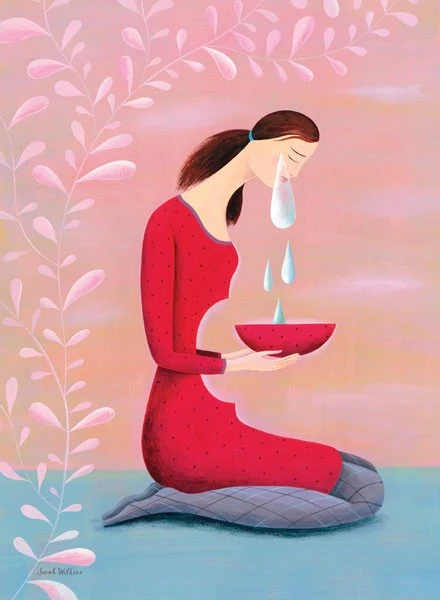
Grief
Grief comes in one size, Extra Large.
If we tuck it away in the bottom drawer
where it never sees the light of day,
it remains exactly the same.
On the other hand,
if we wear it, feel it, talk about it,
and share it with others,
it is likely that it will become faded, shrunk and worn,
or will simply no longer fit.
When grief has served its purpose,
we are able to recognize the many gifts we have gained.
where it never sees the light of day,
it remains exactly the same.
On the other hand,
if we wear it, feel it, talk about it,
and share it with others,
it is likely that it will become faded, shrunk and worn,
or will simply no longer fit.
When grief has served its purpose,
we are able to recognize the many gifts we have gained.
Dianne Arcangel, in
Life After Loss : Conquering Grief and Finding Hope
Life After Loss : Conquering Grief and Finding Hope
Miscarriage and Grief
Miscarriage is a complex grief, as women we experience our baby as part of us, not only have we lost our baby, we are suffering from the effects of both birth and death. Miscarriage is unique in that we may not have seen an identifiable little body, or even when we have, as with late miscarriage, our loss can be minimised or invalidated by others, which can lead us to question our feelings of grief.
However, recognised or not, it is the strength of the bond with our baby, not the length of our pregnancy that determines the depth of our grief. This bond may have begun long ago with our hopes and dreams, our grief is a normal reaction to this broken bond.
People often don't know how to appropriately respond to someone suffering this loss, which can add to our feelings of isolation. Some may not even realise we are grieving, this adds to our stress as we feel the need to explain.
People may not want to talk about what has happened perhaps because of their own discomfort with the issue of death, when we are consumed with it. We are left vulnerable and open to well intentioned yet hurtful platitudes or disbelief that we are grieving.
The losses felt are difficult to explain unless the person hearing them has had a miscarriage themselves, which is why talking to someone who has walked this path before you can offer the most comfort and empathy. Some of the things you might be feeling and thinking are listed below, be reassured these are very normal reactions to baby loss.
- loss of the joyful experience of pregnancy and birth, and the celebrations surrounding that.
- loss of our dreams for our child, and the future our family would have had.
- loss of our identity as a mother.
- loss of trust in the body that betrayed us.
- loss of innocence for future pregnancies, due to knowing you may not neccessarily have a baby at the end of it.
- loss of our basic trust in life, the fear and insecurity of an unpredictable world.
- loss of self-confidence.
- The illogical but real sense of shame, guilt or embarrassment for our failure to reproduce.
- The feeling that we should hide our loss and not talk about it in case people think we are over-reacting.
- The fear about the sometimes overwhelming size of our grief.
- The jealousy, envy, anger and bitterness triggered when we see women who seem easily able to do this natural thing that we have not.
- The loss or change in our relationships as we experience others lack of understanding.
- The loneliness and isolation.
- The pain inflicted by others insensitive comments and thoughtless attitudes.
- The pain of being around other pregnant women or babies.
- Our strong reaction when we see children being mistreated, knowing how precious they would be to us.
- The thought that we somehow didn't love our baby enough to keep it alive.
- The thought that we did something wrong, or didn't do something right.
- The difficulty in understanding how hard it is to miss someone you never met.
- The longing to keep our baby safe inside.
- The difficulty adjusting back to normal life again.
- The feeling we have let our partner/family down.
- The harsh judgements we make about ourselves.
- The feeling of being emotionally broken.
- The pain of not knowing the baby's sex.
- The pain of not knowing the cause of the loss.
- The loss of the last chance to have a baby because of our age.
- The feelings of guilt and regret that we waited too long.
- The belief that somehow we are being punished, or deserved to lose our baby because of some perceived wrong doing.
- The pain of having little or no tangible evidence of our baby.
- The 'What ifs' and the 'If onlys'
- The continued loss of what might have been, of all the possibilities.
Though this list is long it is by no means exhaustive, but it represents just some of the powerful and devastating aspects of losing a baby.
The sharing of all our feelings and thoughts with someone we can trust, who is compassionate and understands the pain of baby loss is the most healing and validating thing. I urge you to find this gentle support and not be alone with your feelings.
Grief is a normal, healthy and appropriate response to a miscarriage, the grief is for the baby and the place it would have taken in our lives. Everyone is different and grieves in their own way, Grief is not self-indulgent, it is a neccessary process to go through to find healing.
Grief is unpredictable and you may feel one or more of the following at any time; shock, confusion, denial, anger, guilt, shame, jealousy, numbness, isolation, loneliness, emptiness, depression, frustration, forgetfulness and lack of concentration and unreality.
Staying in the present can be difficult, time can slip by unnoticed or drag. Dates and things associated with your loss can seem set in your memory forever. Your body will experience the sadness and may result in you being unable to sleep even when exhausted, or feeling tense, itchy, cold, shaky and disorientated. Even when you are well supported you can still feel very alone. None of this is unusual, it is part of grief and it will pass.
Grief can be further complicated if it is suppressed and becomes unhealthy, avoiding feeling the pain of grief, trying to deaden it, only makes it harder to heal. It is important to honour your feelings, let your grief take its course, express it in healthy ways and have it validated. Grief is known as "the healing feeling" and leads to acceptance and eventually peace within the new normal your life has become.
Even when we are functioning on a reasonable level again and we may think we have dealt with our grief feelings because they are no longer disrupting our lives on a daily basis, and we have begun to tentatively feel joy again, they can recur, especially around dates and personal anniversaries. The wound is still there and the healing still fresh, the "what ifs" are always there to be imagined.
Though healing through grief means finding acceptable ways to live with your loss, it does not mean forgetting or making memories insignificant, or getting over it, you will never get over it, but you will learn to live life again.
The bond formed with your baby can last forever, the pain and sorrow will disipate over time, the intensity of sadness will diminish, and the memories will find a place to dwell in us, there will always be a tiny, precious, secret place in our heart that aches, but we can come to cherish it in a healthy way, recover and embrace our new normal.
♥
"A tiny flower, lent not given, to bud on earth, and bloom in heaven"
The New Normal
After experiencing the loss of a baby, after grieving and giving time to start healing, life becomes about finding a new way to live in peace and redefining our own personal reality. Although there is never a point at which one thinks grief ends here, there does come a day when we can look back and think 'I have not felt sad today', we are able to look forward again without feeling guilty and think about things other than our pain.
However, it is not uncommon for some strong feelings of loss to return, especially around the time of anniversaries, or with a trigger such as seeing something on TV or something said or thought or done. This is quite normal, it is an opportunity for deeper healing, for the residues of grief to be released and a greater level of acceptance to be reached. It is useful to take this opportunity to connect with your feelings again, honour them and your baby in whatever way feels right for you. Attending to thses feelings, expressing them in a healthy way will ultimately promote deeper healing.
This can be achieved in many ways, here are a few ideas that can help;
- Talking about your feelings.
- Expression through artwork, dance, music or writing, keeping a journal can be very helpful, or writing a letter to your baby.
- Confronting painful situations such as visiting a friend with a new baby.
- Reading supportive books, looking at websites, and joining forums or groups for women who have shared the experience of baby loss.
- Take life one day at a time.
- Cry, go with your feelings, don't block them.
- Put yourself and your needs first.
- Get lots of hugs from special people in your life.
- Don't put expectations on yourself that you 'should' somehow be better by now, accept yourself exactly as you are now.
- Take extra care of yourdelf, treat yourself to a massage or have a beautifully indulgent bath with scented oils and candles.
- Eat and drink at regular intervals to keep your blood sugar levels stable and prevent mood swings.
- Go for a walk, get some fresh air and light, you can take this time to connect with your baby too.
- Try practicing some form of stress release such as yoga, meditation, or relaxation techniques.
- Do something in memory of your baby such as lighting a candle, planting a special plant, or buying something special to always remind you of your little one.
♥
"Sometimes love is for a moment
Sometimes love is for a lifetime
Sometimes a moment is a lifetime"
Author unknown
Honouring Your Baby and Marking Your Loss
After losing your baby you may find it helpful at the appropriate time for you, to do or create something that marks the loss of your baby and honours their brief life. This can help not only by validating your baby's life, but also bring comfort and healing.
A Certificate
If you miscarry berfore 24 weeks of your pregnancy, there is no legal recognition of your baby's brief life. There are websites that will create a beautiful recognition of life certificate for your baby. Some of the ones I find particularly beautiful are;
♥ www.lostforwordscardline.com
♥ www.lostforwordscardline.com
A Ceremony
If you don't have a funeral or ceremony after your miscarriage, you may want to hold a memorial ceremony; this could be in your own place of worship, in your home, or in a place special to you. It could be just for close friends and family, or even just you and your partner.
Some hospitals organise annual services of remembrance for babies who have died there.
♥ Furness General Hospital holds a remembrance service in the Chapel in December each year to remember babies who have died.
♥ Saying Goodbye services are held in cathedrals across the UK throughout the year. Visit www.sayinggoodbye.org for more details of dates and venues.
♥ Tigerlily Trust holds a Remembrance Celebration to remember all our babies each year on October 15th - International Pregnancy and Infant Loss Awareness Day, and joins with the global wave of light around the world.
♥ The Royal Lancaster Infirmary holds a remembrance service in November every year at St Thomas's Church in Lancaster.
Some hospitals organise annual services of remembrance for babies who have died there.
♥ Furness General Hospital holds a remembrance service in the Chapel in December each year to remember babies who have died.
♥ Saying Goodbye services are held in cathedrals across the UK throughout the year. Visit www.sayinggoodbye.org for more details of dates and venues.
♥ Tigerlily Trust holds a Remembrance Celebration to remember all our babies each year on October 15th - International Pregnancy and Infant Loss Awareness Day, and joins with the global wave of light around the world.
♥ The Royal Lancaster Infirmary holds a remembrance service in November every year at St Thomas's Church in Lancaster.
♥
"A person's a person no matter how small"
Dr Seuss.
Men's Grief
Men often find that their needs get overshadowed by their partners needs, but like them you too may be dealing with many things, such as;
- Feelings of confusion and involvement yet powerlessness
- With attention focused on your partner, your equally valid feelings are often overlooked, leaving you to deal with them alone.
- Focusing on your partner's needs and not being able to think about losing your baby and what this means to you.
- Anxiety about admitting your own worries in case they add to your partner's fears.
- Believing that you have to be strong and brave, and this preventing you from releasing your own pain.
- Guilt about feelings of relief if you hadn't wanted the baby, or if you had even just thought that at any time during the pregnancy.
- Illogical yet real feelings of guilt about having sex just prior to the miscarriage.
- Struggling to find the 'right' things to say, or how to best support your partner.
- Trying to deal with the situation logically, wanting to make things ok when this is something you cannot fix.
If you deny yourself the chance to grieve in your own way you may find it harder to heal. You may want to put the whole thing behind you and move on, and become frustrated when your partner still needs lots of support. You might even experience resentment towards your partner and her need to grieve so deeply, especially if she has what seem to you to be unreasonable emotional outbursts. Try to accept her moods without judgement and be supportive. Share with her how you are feeling about losing the baby. Listen when she wants to talk and resist changing the subject. Above all just love her through this time, she will always remember it and appriciate it, even if it may not seem so at the time.
Remember that the way you each process your grief will be different, just as the way you each bonded with your expected baby was different. Don't be afraid to get outside help to support you together to find understanding and acceptance, to learn how to find healing together. You might feel as if your partner expects you to meet all her emotional needs, this is not only unrealistic but also an unfair burden on you. It is vital that you both feel able to grieve in your own way.
Resources For Grieving Dads
Men often find that their needs get overshadowed by their partners needs, but like them you too may be dealing with many things, such as;
- The STILL Project hosted a Google Hangout in which five men shared about their losses, it is available to view on You Tube.
- Website for grieving dads
Grieving Dads Project - www.grievingdads.com
Books written by Fathers:
- Grieving Dads: To The Brink and Back - By Kelly Farley
- When A Man Faces Grief- By James E. Miller
- Tender Fingerprints - By Brad Stetsen
- A Father's Story - By Lionel Dahmer
- A bereaved Father - By Steve Younis
♥
"Gone but not forgotten, although we are apart,
your spirit lives within me, forever in my heart."
Author unknown
For Family and Friends
Though you may be experiencing difficulty understanding the depth of grief surrounding the miscarriage, being there for your friend or loved one at this time can play a crucial part in their recovery.
Your validation and acknowledgement that their baby existed is necessary and deeply meaningful. When grieving is not validated feelings can remain unresolved, and there can be a tendency for the woman to think the emotions she is experiencing are somehow wrong, or to minimise them.
I want to thank you for doing your best to understand, and for you to know that your efforts will be appriciated, remembered and make a huge difference at this significant time.
Here is a list of gentle, practical and helpful things that will support your friend through their loss:
- Contact them, be there if possible or ring or write, as hard as it might be for you to do that, what they are going through is much harder. Whatever they are feeling they deserve to have their feelings supported by people around them.
- Acknowledge their pain.
- Understand that tears are a healthy response and should never be discouraged. Having a box of tissues handy is helpful.
- A hug is a wonderful way to show your support and provides huge comfort.
- Listen to them, let them do the talking, help them to talk about their feelings from the heart.
Don't change the subject if you feel awkward, be honest with them, if you don't know what to say tell them that. Let them know you are there for them and that you are sorry that you do not have the words to make things better.
- Ask questions about their experience, how are they really feeling, and what are they thinking about.
- Don't forget about the baby's Father, include him in the support you offer.
- Encourage them to be patient, gentle and kind to each other; grieving takes time.
- Reassure them that they did everything they could and that it wasn't their fault - this helps to alleviate their guilt.
- Encourage her to rest, grieving is a physically and emotionally exhausting process.
- Do something practical for them, take them a bag of groceries, make some food, do the washing-up, ask if they need any errands running. Doing everyday things or leaving the house can feel overwhelming in the early weeks after their loss.
- As the intensity of grief fluctuates, during less tearful times a change of scenery helps, suggest a small outing or gentle walk.
- When they feel ready be by their side as they face life again.
- Accept that they may need time to hibernate and be alone together, but don't abandon them.
- Take flowers, or a scented candle, a little gift to nurture them.
- Remember important dates and acknowledge their little one at these times.
- Think about giving them a remembrance gift that honours their baby.
Most of all know that your friends has been changed forever by this loss, accept and love them for who they are and accommodate the changes that you find.
Let them know that their child matters and is thought of, never be afraid of upsetting them by talking about their loss, if they cry it needs releasing and will ultimately bring healing. Know that your frienship and care is deeply appreciated, never forgotten, and truly needed.
Although you may feel unsure of how to cope with your friends loss and inadequately prepared for helping them, you are entering into a very delicate situation, you are a source of support or hurt depending on how you respond to them.
Here is a list of unhelpful things meant as a guide for you to better navigate this sensitive time:
- Don't ignore them because you feel helpless or uncomfortable with grief - they may feel what has happened to them means nothing to you.
- Don't think that miscarriage is easier to cope with than stillbirth or neo-natal death. The truth is their baby just died, it really isn't about the length of time they were pregnant.
- Don't be worried about making them cry, it's not what you said that upset them, it's losing their baby. By allowing them to cry, you are helping them to work through the process of grieving.
- Don't confuse support with cheering them up, grief is an enormously powerful emotion and needs releasing not suppressing.
- Don't put on a cheery front yourself, be authentic.
- Don't be nervous and keep talking, there is nothing wrong with silence, it can be incredibly healing.
- Don't be judgemental about their feelings or reactions, grieving peolple often behave out of character or inappropriately, and need your unconditional support. Things will settle down eventually and they will be grateful you stood by them.
- Don't have expectations about how long it 'should' take to recover. Losing a baby is one of life's most difficult experiences and the depth of their grieving is shocking even to them.
- Don't assume there will be another pregnancy.
- Don't minimise their loss by comparing other's experiences or offering platitudes.
- Don't feel guilty if you're pregnant or celebrating a new arrival in your family, don't avoid talking about it, but be sensitive to their feelings and forgive them if they seem cold or distant, it is their way of coping.
- Don't say there was possibly something wrong with their baby and that it may have been for the best. This may be true, but it is no comfort to hear it when you want to believe your baby was perfect, and that is who they are grieving for.
- Don't say you can always have another one, it doesn't help much to know you can have another baby, the parents wanted that baby. They need to grieve for their lost one before they can think about another one.
- Don't say at least you didn't know the baby, or that it would have been much worse if it had happened later. It doesn't help to minimise a miscarriage, it's not the length of the pregnancy, but the strength of the parents attachment that determines the intensity of their grief.
- Don't say I know how you feel, even if you have miscarried yourself, as everyone reacts differently and there may be other compounding factors.
- Don't say it wasn't really a baby yet, that may not be how the parents see it, to them it was their baby they lost along with all their hopes and dreams for that baby.
If in doubt say something as simple as I'm so sorry for your loss and offer a hug, the truth is it is much harder when people say nothing at all.
Helpful things you can say are:
Helpful things you can say are:
- 'm sorry about your miscarriage - These simple words mean such a lot, especially when you give the space for them to talk, or not talk, as they wish afterwards.
- I how much you wanted your baby - By acknowledging that something precious has been lost you are giving validation to their little one and opening the door to talk further.
- It's ok to cry - It is reassuring for the parents to know they are not being judged for their tears and sadness.
- I don't really know what to say - Being honest and authentic allows the parents to be also, and the fact that you are there and available to listen is really important.
- Can I call you again to see how you are doing - Often people are sympathetic at first, then never mention the miscarriage again. The parents will be grieving for weeks or months, so it is reassuring for them to know your support is ongoing.
- I was wondering how you are feeling about your miscarriage now - It is healing for parents to have the opportunity to talk about their miscarriage even if it a long time after a successful pregnancy. They will never forget their miscarriage.
- Just let them know they are cared about and loved, and that you will be there for them no matter what. Show them that you remember their loss by asking how they are doing around special dates. But most of all be willing to listen and share their grief, you will be doing them a great service on their journey to healing.
♥
" Some say to painful to remember, I say too precious to forget"
Resources - Websites
The following list is a guide to other support available, it is by no means exhaustive, we hope you will find it helpful.
Websites:
♥ The Miscarriage Association
Helpline 01924 200799 Mon-Fri, 9am - 4pm.
Helpline 01924 200799 Mon-Fri, 9am - 4pm.
Information and support for anyone affected by all aspects of miscarriage.Printable leaflets to download.Online support forum.Comprehensive and informative UK site.
♥ Miscarriage Support Auckland Inc www.miscarriagesupport.org.nz
This may seem a little unusual to include, however it is an immensely informative and user friendly site that offers a great deal of valuable information.
This may seem a little unusual to include, however it is an immensely informative and user friendly site that offers a great deal of valuable information.
♥ Tommy's - Talk to a midwife
08000 147800 Mon-Fri, 9am - 5pm.
www.tommys.org
Website offering information to parents experiencing pregnancy problems and funding research into pregnancy loss
08000 147800 Mon-Fri, 9am - 5pm.
www.tommys.org
Website offering information to parents experiencing pregnancy problems and funding research into pregnancy loss
♥ Counselling Directory
www.counselling-directory.org.uk
Website dedicated to connecting you with a professional counsellor or psychotherapist in your area.
www.counselling-directory.org.uk
Website dedicated to connecting you with a professional counsellor or psychotherapist in your area.
♥ Baby Mailing Preference Service
www.mpsonline.org.uk
This free service sympathetically and effectively reduces the amount of baby related information you receive. Simply follow the link to register.
♥ Tigerlily Suport group
www.mpsonline.org.uk
This free service sympathetically and effectively reduces the amount of baby related information you receive. Simply follow the link to register.
♥ Tigerlily Suport group
www.facebook.com/groups/tigerlilyfriendship
Tigerlily is our closed friendship support group for bereaved parents on Facebook. Tigerlily is for those who have experienced the loss of a child from conception onwards. This group is based in Cumbria, UK. It is a closed group which means all content is not available to the public eye.
This group is a safe haven for those who have endured a loss and the group is closely monitored by the groups co founders. This group is a full grief circle friendship group, meaning we invite people to share their stories no matter where they are in their walk of grief. This group allows photos of pregnancies and newborn babies. If those sorts of images affect you negatively we suggest for your own heart and healing that you do not join the group.
We ask that those who join Tigerlily respect each other and refrain from using heavy language. This is not a place to advertise giveaways or push your busniesses or fb pages onto people. This is no place for judgement, the preaching or pushing of religions or grief olympics. A loss is a loss and we welcome everyone here. Please do not copy or paste ANY of the images from this group into a public place. It is essential that parents feel safe and held in this space, so that comfort can be given and received freely. Thank you for being respectful and mindful of where each individual is in their journey.
Tigerlily is our closed friendship support group for bereaved parents on Facebook. Tigerlily is for those who have experienced the loss of a child from conception onwards. This group is based in Cumbria, UK. It is a closed group which means all content is not available to the public eye.
This group is a safe haven for those who have endured a loss and the group is closely monitored by the groups co founders. This group is a full grief circle friendship group, meaning we invite people to share their stories no matter where they are in their walk of grief. This group allows photos of pregnancies and newborn babies. If those sorts of images affect you negatively we suggest for your own heart and healing that you do not join the group.
We ask that those who join Tigerlily respect each other and refrain from using heavy language. This is not a place to advertise giveaways or push your busniesses or fb pages onto people. This is no place for judgement, the preaching or pushing of religions or grief olympics. A loss is a loss and we welcome everyone here. Please do not copy or paste ANY of the images from this group into a public place. It is essential that parents feel safe and held in this space, so that comfort can be given and received freely. Thank you for being respectful and mindful of where each individual is in their journey.
Books:
♥ Miscarriage; Women's Experiences and needs. By Christine Moulder
♥ I Never Held You; Miscarriage,Grief,Healing, and Recovery. By Ellen M. Dubois
♥ I Never Held You; Miscarriage,Grief,Healing, and Recovery. By Ellen M. Dubois
♥ Miscarriage:What Every Woman Needs to Know By Lesley Regan
♥ Coming to Term: Uncovering the Truth About Miscarriage By Jon Cohen
♥ All That is Seen and Unseen: A Journey Through a First Trimester Miscarriage By Elizabeth Petrucelli
♥ Coming to Term: Uncovering the Truth About Miscarriage By Jon Cohen
♥ All That is Seen and Unseen: A Journey Through a First Trimester Miscarriage By Elizabeth Petrucelli